Comprehensive Overview of Water Damage Repair Services: What You Should Understand
Water damage can come from multiple sources, often causing significant structural and health concerns. Knowing the urgent actions to take is vital. A detailed review can prevent additional issues and help with filing coverage applications. The cleanup process needs precise focus on details. However, the selection of a reliable restoration service often becomes a vital component in successful repair. What strategies can property owners apply to shield their homes against potential incidents?
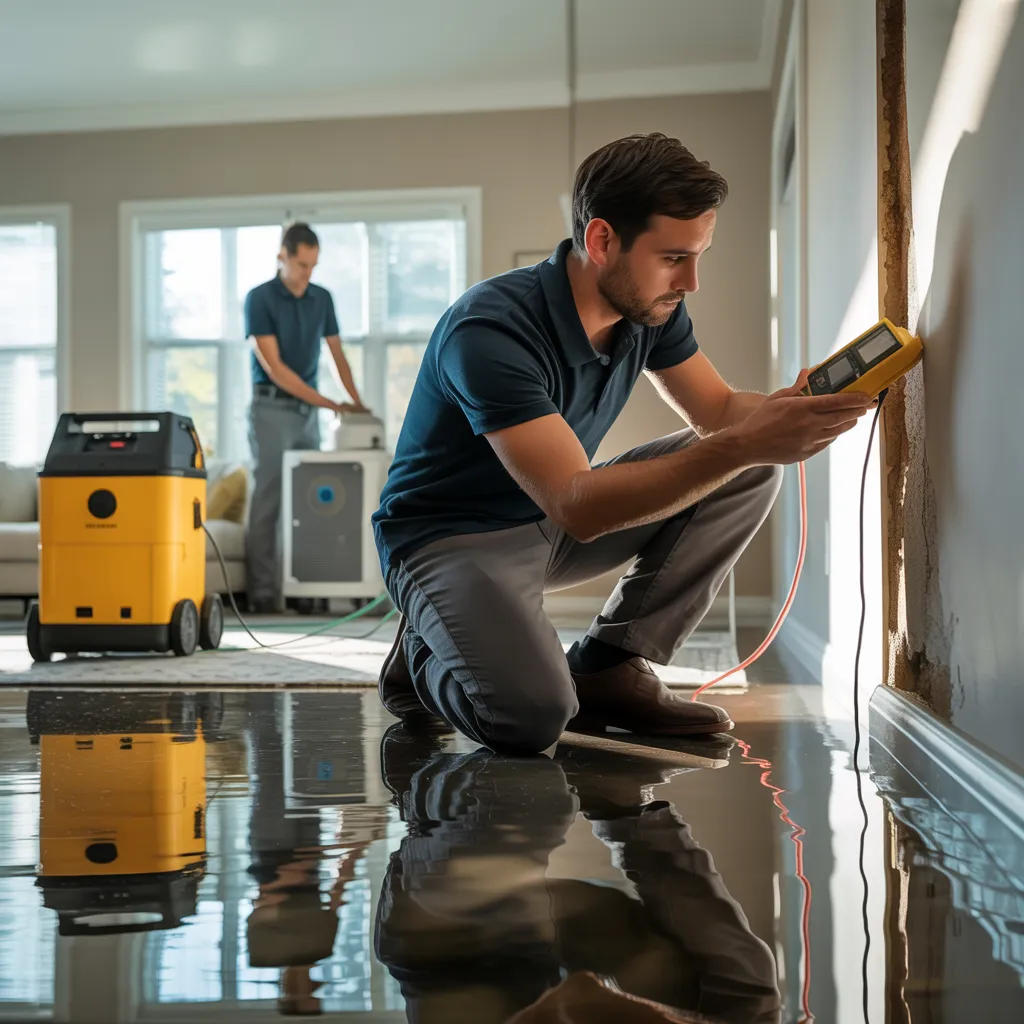
Detecting Water Damage Evidence: Contributing Factors and Urgent Steps
Identifying wet damage requires keen observation and swift measures. Common causes include roof leak problems, broken plumbing, and flooding. These issues can appear as clear stains, mold growth, or damaged surfaces. Homeowners should regularly inspect areas prone to moisture, such as basements, bathrooms, and kitchens, observing discoloration or moldy smells that may indicate hidden damage.
In addition to visual cues, examining for heightened humidity levels can indicate water problems. If any proof of harm are identified, rapid response is vital. This may comprise halting water flow, extracting standing water, or air drying surfaces to avoid additional harm. Postponing your response can amplify problems, producing foundational damage and health concerns. Detecting and fixing water damage rapidly can reduce major repair expenses and boost the durability and safety of the property.
The Value of Immediate Water Damage Assessment
Expedited water damage assessment is necessary for establishing the degree of destruction and stopping further problems. Quick inspection not only aids in successful restoration but also facilitates the claim procedure. Tackling water damage rapidly can greatly lessen prolonged effects on assets and finances.
Fast Damage Assessment
Speedy damage evaluation plays an essential role in efficient water damage rehabilitation. Prompt examination allows property owners and restoration professionals to calculate the extent of the damage, which is critical for determining the necessary treatment steps. Early detection enables a thorough inspection of affected areas, including hidden spaces like walls, floors, and ceilings, where moisture may linger and cause further wear. Additionally, urgent identification helps in mitigating potential health risks associated with mold growth and structural instability. By promptly analyzing the damage, restoration teams can develop a specific action plan, prioritize repairs, and allocate resources efficiently. Ultimately, swift damage identification is pivotal in curtailing losses and ensuring a successful restoration outcome.
Preventing Further Problems
Once an initial assessment of water damage is complete, the next step involves a detailed evaluation to stop further complications. This appraisal is indispensable in spotting areas at risk for mold growth, structural instability, and electrical hazards. Professionals typically survey affected materials, including drywall, flooring, and insulation, to determine their condition and whether they necessitate replacement or drying. Immediate action can mitigate long-term damage, ensuring that moisture is promptly eliminated and the environment is normalized. Additionally, confronting potential sources of water intrusion, such as leaks or drainage issues, is mandatory. By prioritizing swift and extensive evaluations, property owners can safeguard their investments and maintain a safe living environment, reducing the likelihood of extensive repairs and health risks in the future.
Insurance Claim Guidance
Promptly documenting water damage is essential for property owners seeking insurance claims. An prompt assessment helps establish the extent of the damage, which is critical for filing a approved claim. Insurance companies often require detailed evidence, including photographs and reports from restoration professionals. This documentation should include the source of the water, the affected areas, and any immediate actions taken to mitigate further damage.
Hiring a repair company can streamline this process, as they have the knowledge to deliver precise evaluations. Furthermore, prompt record-keeping can avoid complications in claim submission, ensuring that property owners receive the required funds for repairs. In the end, quick response can significantly impact the result of an insurance claim involving water damage.
Water Damage Remediation Process Steps
The water damage cleanup process involves numerous essential steps to effectively bring back a property. First, establishing the fountain of the water incursion is imperative to prevent further damage. Next, the area must be safely evacuated, ensuring that all occupants are moved read the full story to a secure location. Once the space is clear, water extraction initiates, applying specialized equipment to take out standing water.
Following the extraction, the drying phase initiates, involving moisture extractors and air handlers to remove moisture carpets, walls, and furniture. This step is vital to avoid mold development and structural damage. After drying, the sanitizing and cleaning of affected surfaces is performed, ensuring contaminants are removed. Finally, any affected materials, such as drywall or flooring, should be replaced. Properly completing these steps is essential for effective restoration and to return the property to its pre-damage state.
Efficient Restoration Procedures for Water Damage
Effective repair methods for moisture harm emphasize key processes that ensure thorough recovery. Moisture removal techniques are crucial to eliminate excess moisture, followed by drying and moisture reduction to avoid further issues. Additionally, establishing mold control measures is necessary to protect damaged spaces from future contamination.
Water Extraction Approaches
Water extraction methods play an essential role in mitigating damage following flooding or leaks. These methods are critical for removing standing water rapidly to prevent further structural damage and mold growth. Common methods encompass the use of submersible pumps, which effectively expel large volumes of water from affected areas. Additionally, truck-mounted vacuums can handle significant extraction tasks, making them ideal for extensive flooding situations. Portable extractors also serve well in confined spaces, allowing for targeted water removal. The efficiency of these methods depends on prompt action and the severity of the water intrusion. Utilizing the appropriate equipment ensures a thorough approach to water extraction, setting the stage for subsequent restoration efforts.

Moisture Elimination and Humidity Reduction
Achieving complete drying and dehumidification is fundamental for restoring properties impacted by water damage. Proper drying requires the use of industry-standard equipment, including high-speed air movers and industrial dehumidifiers, to remove moisture from the affected areas. This process generally begins within 24 to 48 hours after extraction to prevent further harm. Monitoring moisture with hygrometers ensures that all areas achieve the necessary dryness, particularly in hidden areas such as walls and under flooring. Dehumidification supports maintaining optimal humidity levels, preventing secondary problems. The combination of adequate air flow and dehumidification effectively lowers the risk of residual moisture that could damage structural integrity. Ultimately, a precise approach to drying and dehumidification is key to successful water damage restoration.
Mold Reduction Strategies
Mold control is necessary following water damage because even trace amounts of residual moisture can foster considerable growth. Effective measures include drying thoroughly and dehumidifying affected areas, ideally within a 24 to 48-hour window after exposure. Employing air movers and dehumidifiers assists in lowering humidity levels, while sealing any leaks or cracks avoids future moisture entry. Frequent inspections of hidden locations, such as attics and basements, enable early detection of mold growth. It is also prudent to maintain adequate ventilation indoors and use mold-resistant products when renovating. Finally, a proactive approach like monitoring humidity levels can significantly decrease the likelihood of mold development and preserve the property's integrity.
What You Should Know When Addressing Load-Bearing Damage
Fixing building deterioration requires a comprehensive knowledge of both the extent of the harm and the necessary steps for restoration. Initially, a comprehensive evaluation is performed to locate damaged zones, including partitions, floors, and bases. This evaluation guides the repair process, guaranteeing that all damaged frameworks are handled.
Next, clearing debris and dehumidification are critical. Effective drying avoids additional damage and prepares the site for repairs. After drying, professionals may reinforce or replace damaged materials, such as beams or drywall, using suitable methods to return integrity.
Inspections occur to confirm compliance with safety protocols. To finish, final touches, like painting and flooring, are applied to preserve the original aesthetic. During the process, open communication with property owners is critical, offering updates and setting realistic expectations. Understanding these phases enables property owners to manage the challenges involved in structural restoration after water damage.
Pick a Dependable Water Damage Remediation Service
What approach can property owners take to assure they pick a reliable water damage restoration service? First, comprehensive analysis is vital. Property owners should pursue companies with strong reputations, often indicated by online testimonials and comments. Checking for qualifications and authorizations can further establish that the service adheres to industry standards.
Finally, securing several estimates assists homeowners in comparing offerings while determining transparency in pricing. A credible company should present clear estimates without hidden fees. Additionally, evaluating technician experience can reveal the company's expertise in handling specific types of water damage.
Furthermore, prompt response times are critical; a solid service should be accessible round the clock 24/7 to address emergencies. To confirming that the company offers an full spectrum range of services—including water extraction, drying, and repairs—can guarantee that all aspects of the restoration process are handled. By following these guidelines, homeowners can make informed decisions and obtain quality effective water damage restoration.
Strategies for Preventing Forthcoming Water Damage in Your Home
After selecting a dependable water damage repair company, homeowners can take proactive steps to minimize the risk of future incidents. Regular inspections of plumbing and appliances are crucial; leaks can develop subtly over time. Homeowners should also make certain that gutters and downspouts are unobstructed, directing water away from the foundation. Adding sump pumps in basements can effectively manage excess water during heavy rains.
Another primary method is to sustain appropriate ventilation in moisture-prone areas, such as bathrooms and kitchens. This can be achieved through exhaust fans or drying devices. Additionally, homeowners should contemplate applying detection sensors that trigger alarms when water vapor is identified, supplying advance notice.
Finally, confirming that the home's foundation is well-drained and correctly sloped can avoid water buildup. By implementing these strategies, homeowners can significantly decrease the likelihood of water damage in their homes.
Questions That Are Regularly Posed
Water Damage Restoration Pricing: What to Expect
Generally, water damage restoration costs between $1,000 and $5,000, based on the extent of the damage. Factors influencing the total price consist of the size of the affected area, severity, and necessary repairs or replacements.
Does My Insurance Cover Water Damage Restoration Expenses?
Water damage restoration protection differs by policy and situations. Generally, standard homeowners' insurance may cover sudden, accidental damage, while flood damage often requires dedicated flood insurance. Examining the policy details is crucial for clarity.
What is the standard timeframe for the renovation process?
The repair procedure typically takes between three days to several weeks, depending on the severity of the damage, the size of the affected area, and the efficiency of the repair crew managing the situation.
Is it Possible to Stay in My Home During the Restoration?
Living in a home during renovation depends on the extent of the deterioration. If major repairs are required, safety concerns may necessitate temporary displacement. Evaluating indoor air quality and structural integrity is crucial for making this decision.
What Options Do I Have for My Items During Renovation?
During restoration, it is suggested to move valuables from affected areas. Items should be arranged in a sound and dry place to prevent further damage, providing both safety and accessibility during the restoration process.